
GCSE Music at the Ulster College of Music
Specialist music tuition for students who want to study GCSE Music, AS Music or A2 Music outside the normal school timetable.
Contact the College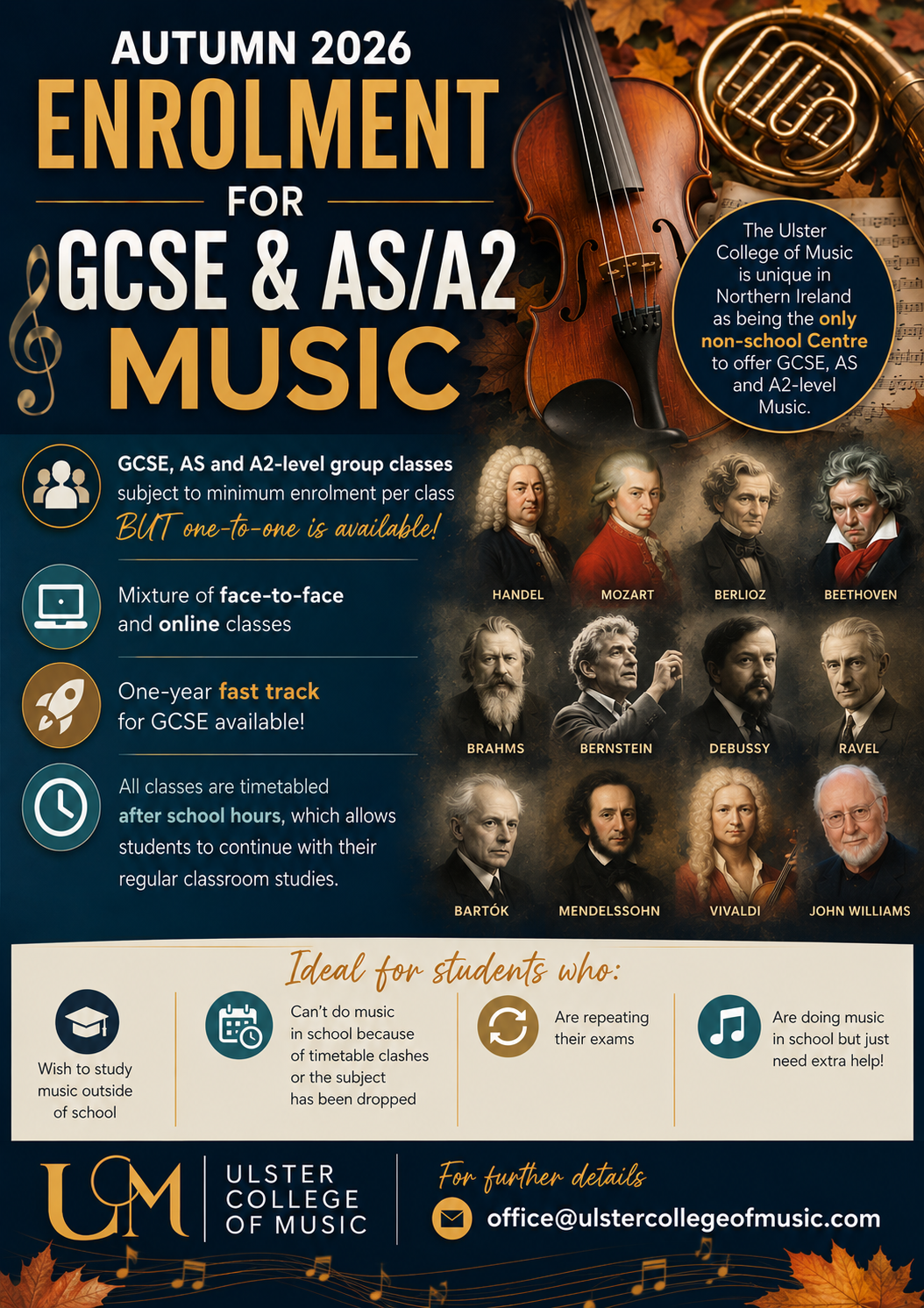
A Unique Opportunity in Northern Ireland
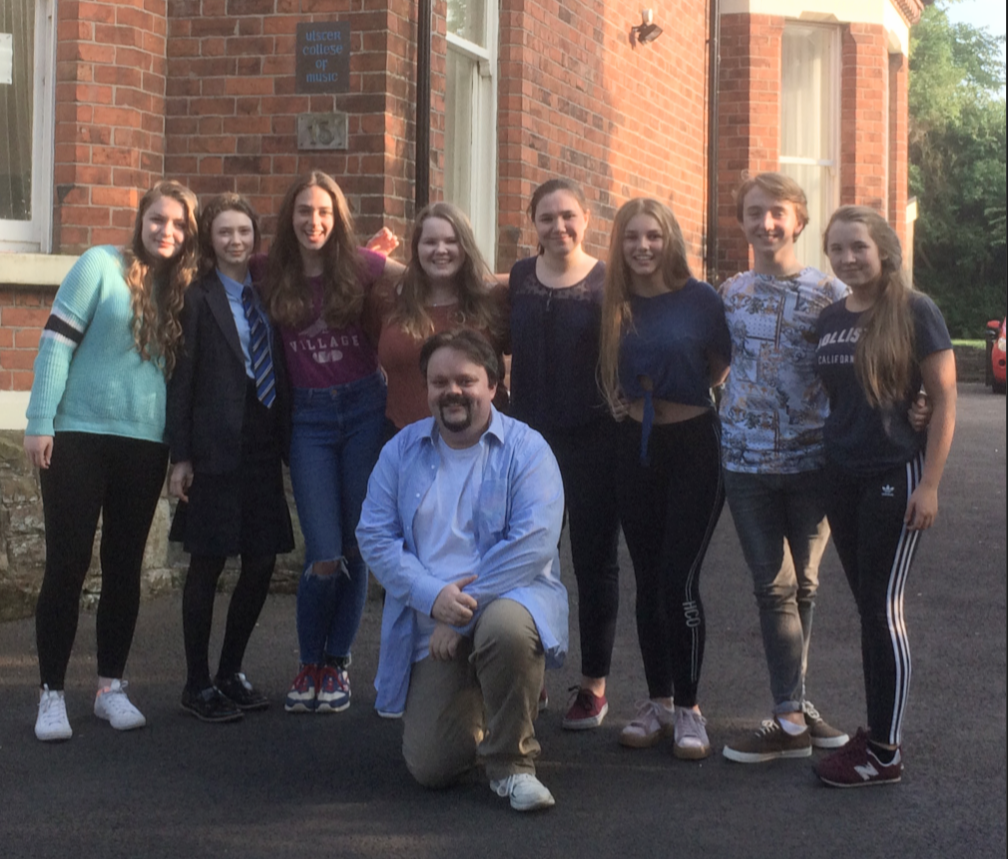
The Ulster College of Music is unique in Northern Ireland as the only non-school centre to offer GCSE Music. Our GCSE class covers the full course in one academic year, with small class sizes, supportive teaching and a clear structure designed to help students succeed.
Classes are usually small, generally around 8 students, giving each student valuable teacher input and individual support. Lessons take place at the College and on Zoom, outside normal school hours, so students can continue with their regular school studies while completing GCSE Music.
One-Year GCSE
Complete the GCSE Music course in one academic year through structured weekly teaching.
Small Classes
Usually around 8 students, allowing for focused support, guidance and teacher feedback.
Flexible Study
Face-to-face and Zoom teaching outside school hours to fit around existing commitments.
Expert Teachers
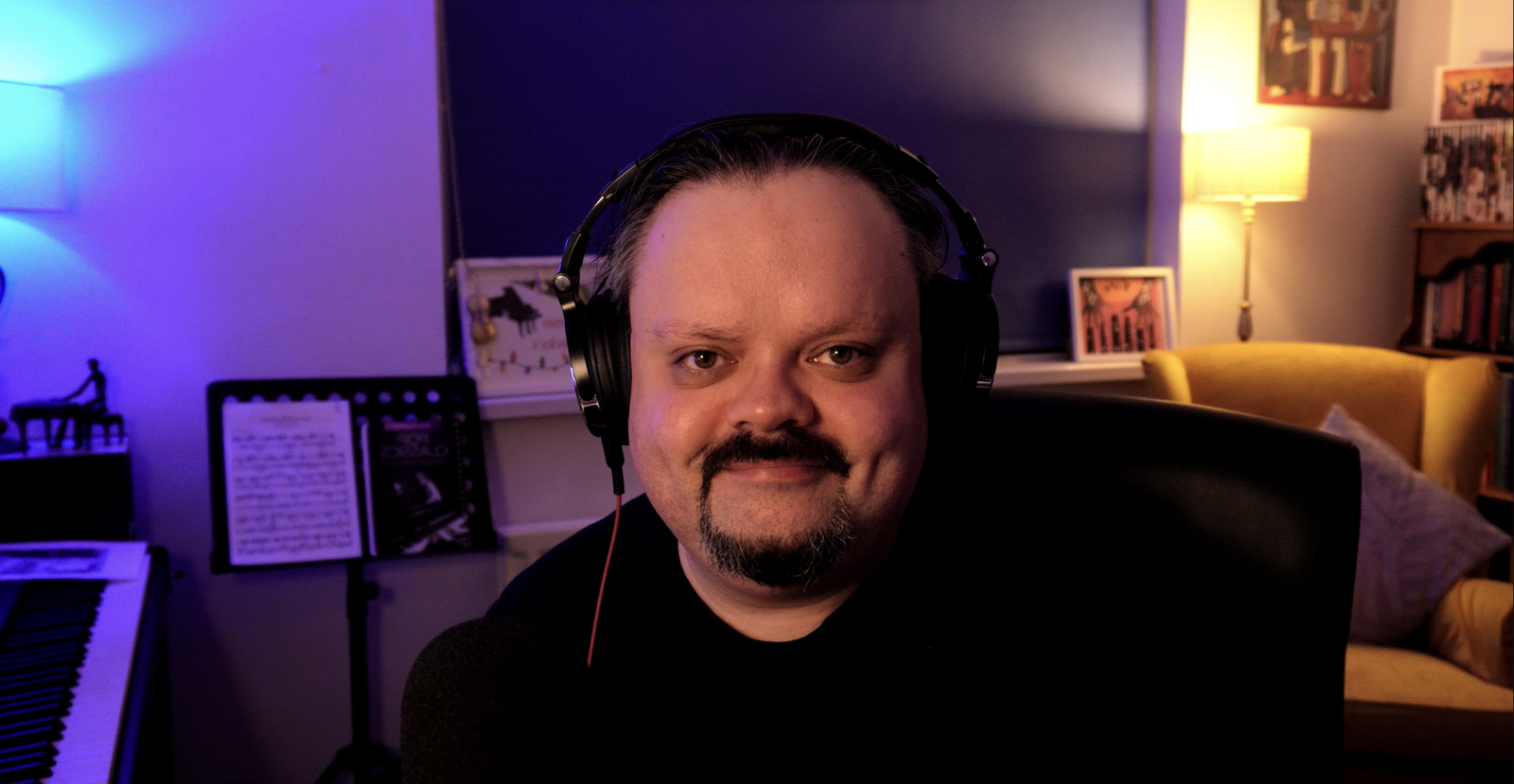
Taught by Dr Declan Plummer and Dr Anselm McDonnell.
Supportive GCSE Music Teaching
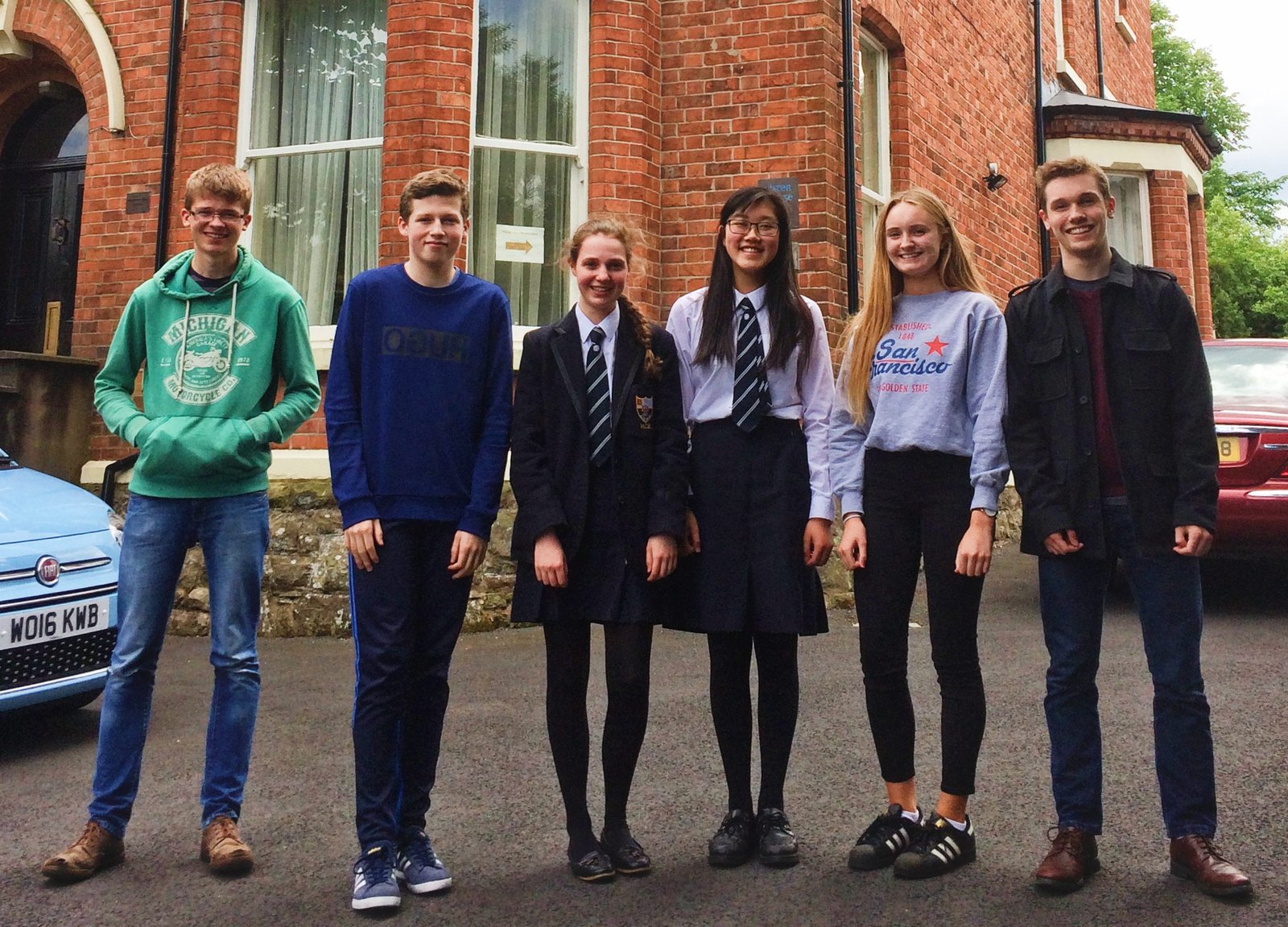
Students are guided carefully through each part of the CCEA GCSE Music course, with practical help in performance preparation, composition technique, listening skills and musical analysis.
The course is designed to give students a clear understanding of what is expected in each assessment area, while also helping them grow as confident, thoughtful and independent musicians.
GCSE Music Course Structure
1. Performing
30% Performance + 5% Viva Voce
Students prepare one solo piece and one ensemble piece, supported by guidance on suitable repertoire and CCEA performance requirements.
- One solo piece, at least 2 minutes
- One ensemble piece, at least 1 minute
- Combined performance length no longer than 6 minutes
- Viva voce discussion no longer than 3 minutes
All the details regarding the performance guidelines and possible topics of conversation with the examiner can be found in the Specification, particularly pp.6–8, 15–16 and Appendices 2 & 3, under the Syllabus Materials section of this page. Make sure you read these pages and let us know if you need help. All GCSE students and their ensemble accompanists will need to be available for an assessed performance recital, organised for a Saturday in February, usually during half term.
2. Composing
30%
Students learn composition techniques in the first few weeks of term before completing two compositions.
- Composition A: free composition in a chosen style
- Composition B: response to a CCEA pre-release stimulus
- Stimulus options may include a melodic fragment, rhythmic motif or chord progression
- Combined length of both compositions: 3–6 minutes
- Recorded performance plus score, lead sheet or written account
Students must submit both compositions in the form of a recorded performance, which may be live or sequenced, and they must also provide one of the following for each composition: a detailed notated score; a lead sheet; or a written account, maximum 600 words, using a template provided by CCEA. Students will complete both compositions in College as this is controlled assessment.
3. Listening & Appraising
35%
Students will be taught how to analyse familiar and unfamiliar music by a range of composers, both male and female, within the four compulsory Areas of Study. Using eleven set works as case studies, students will learn how to comment perceptively on various musical features of any piece of music, including melody, harmony, tonality, form & structure, timbre, texture, tempo, metre, rhythm, dynamics and articulation.
1. Western Classical Music 1600–1910
- Handel: For Unto Us a Child is Born from Messiah
- Mozart: Horn Concerto No. 4, third movement
- Berlioz: Symphonie Fantastique, fourth movement
2. Film Music
- Coates: March (The Dam Busters) from The Dam Busters
- Williams: Superman Theme from Superman
- Horner: Young Peter from The Amazing Spider-Man
3. Musical Traditions of Ireland
- Beoga: Prelude Polkas: Prelude Polka, Paddy’s Polka No. 2 and Millstream Reel
- Stonewall: Fife Medley: Boys of Belfast and The Girl I Left Behind
4. Popular Music 1980–present day
- Eurythmics: Sweet Dreams (Are Made of This)
- Ash: Burn Baby Burn
- Florence and the Machine: Cosmic Love
Class Times
GCSE Composition: Mondays, 5:00–9:00pm, face-to-face at UCM. Students need to be available at some point during this period, with exact times arranged individually with Dr Anselm McDonnell.
GCSE Listening & Appraising: Fridays, 5:30–6:30pm on Zoom. Times may be adjusted depending on student interest.
GCSE students and ensemble accompanists will also need to be available for an assessed performance recital, usually organised on a Saturday in February during half term.
Course Teachers

Find Out More
Further information about the GCSE Music specification can be found on the CCEA website:
To ask about GCSE Music classes, please contact the Ulster College of Music.
Email the CollegeGCSE Music Handouts & Course Documents
The following documents provide useful guidance for GCSE Music students and parents, including the full specification, assessment materials, planning documents and student support resources.
GCSE Specification
The full GCSE Music specification, including assessment requirements and course guidance.
Open PDFScheme of Work
A planning framework showing how the GCSE Music course can be structured across the year.
Open PDFSpecimen Assessment Materials
Sample assessment materials to help students understand the style and format of GCSE assessment.
Open PDFScores & Recordings
A guide to the scores and recordings used for the GCSE Music listening and appraising course.
Open PDFSnapshot Overview of GCSE
A concise overview of the GCSE Music course, useful for students and parents considering enrolment.
Open PDFStudent Guide GCSE
A student-friendly guide to help learners understand the course, expectations and assessment process.
Open PDFUCM Documents For
GCSE & A-Level
GCSE and A-Level Exams Late Arrival Policy
UCM Student Composition Appeal Application Form
Unique Candidate Identifiers (UCI)
UCM Exam Access Arrangements Policy
UCM Emergency Evacuation Procedure
UCM Controlled Assessment Policy
UCM Use of Laptops in Examinations Policy
UCM Exam Identification of Candidates Policy
JCQ & CCEA Documents For
GCSE & A-Level
JCA Guidance for students, parents and guardians
Policy for Centre Determined Grades, Summer 2021, v2.
Centre Policy for the Post-Results Service
JCQ Social Media Information for Candidates
JCQ Coursework Assessments Information for Candidates
JCQ Non-Examination Assessments Information for Candidates
JCQ On-Screen Tests Information for Candidates